
What a hair colour changer is here
FlowPix has no tool that paints only the hair. What it has is Quick Edit, which takes a picture you already have and redraws it from a description. To try a new hair colour or a new cut you describe it, and you get back a new picture of the same portrait with the hair changed.
That is quick and good for trying things, and it has one cost: the whole picture is drawn again, not only the hair. This page shows, on two invented portraits, what that looked like.
The result is a redrawing of the portrait, so it is for trying looks and not for exact work. A real colour will look different on a real head, under real light, and a hairdresser is the one to judge that. Use the picture to decide what to ask for.
How to try it in FlowPix
Put the portrait on the canvas, select it and open Quick Edit in the picture toolbar. Describe the hair you want and ask for everything else to stay the same, then press Run. The button shows the credits the run will cost before you press it.
The result comes back as a new picture and your original is not changed. If the colour is not what you wanted, change the description and run it again. Only upload photos of people you have the right to edit.
There is no selection to make. You do not draw around the hair, and you cannot: Quick Edit reads your description and the whole picture. If you ask for more than hair, such as a different background, it will change that too, so say what must stay the same.
Look at the result at full size before you decide, and put it next to the original. The face, the edges of the hair and the clothes are the places a redraw shows first.
The prompts we used
We tried two edits, one run each, on two invented portraits, a woman and a man, that we generated ourselves. The descriptions are below, so you can copy them and change the details.
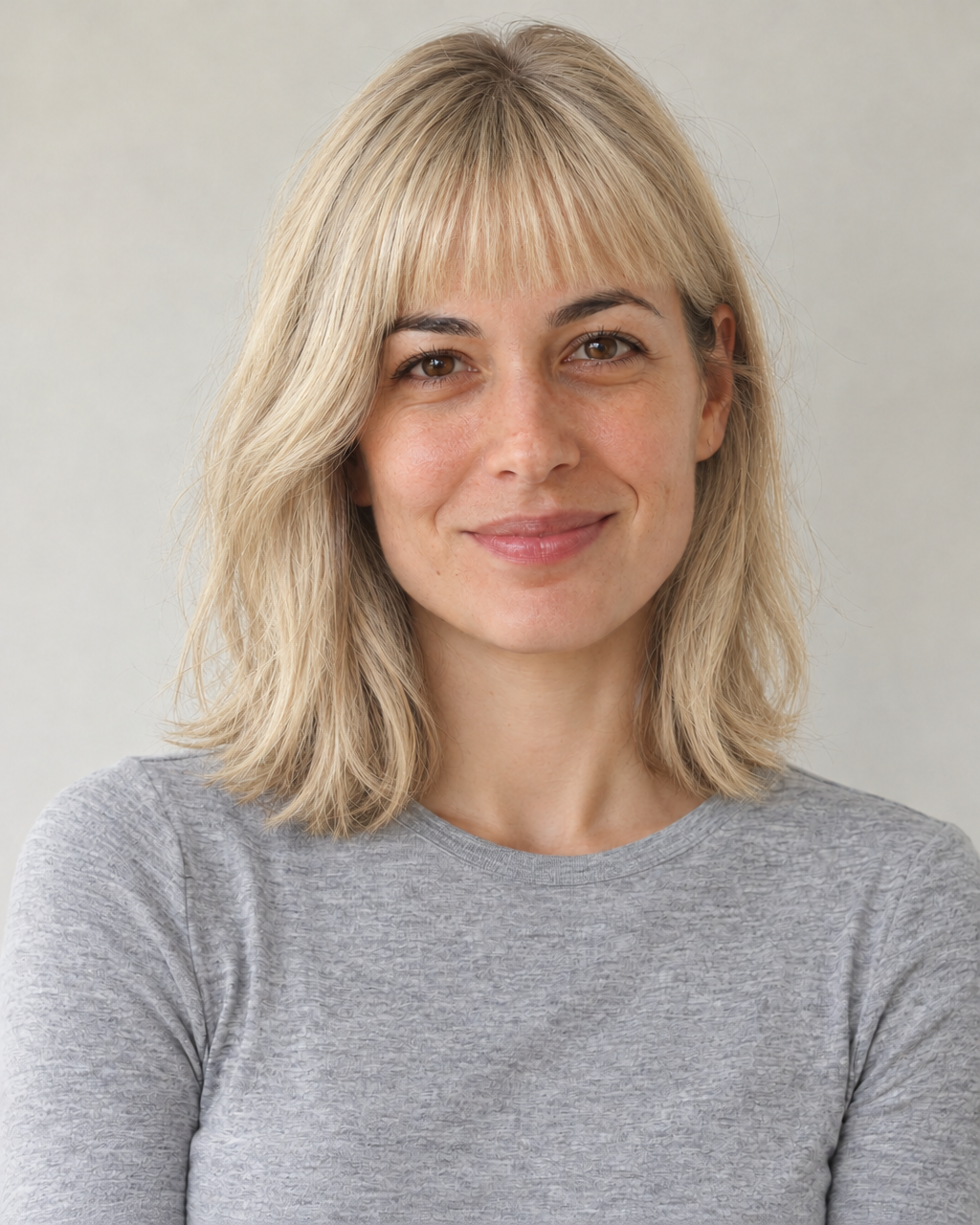
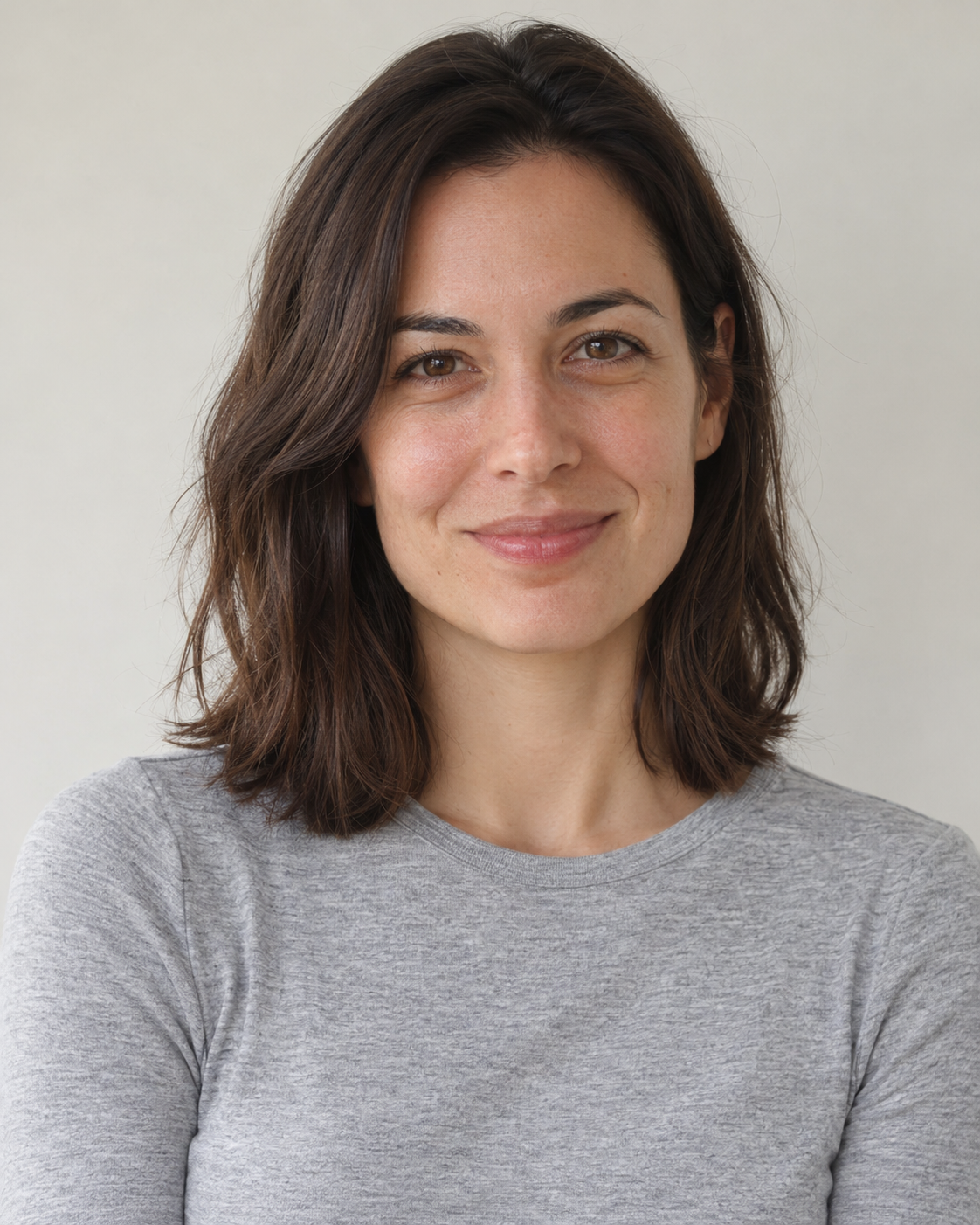
For the woman: "Change her hair colour to bright blonde and give her short straight bangs. Keep the face, expression, pose, clothes and background exactly the same."
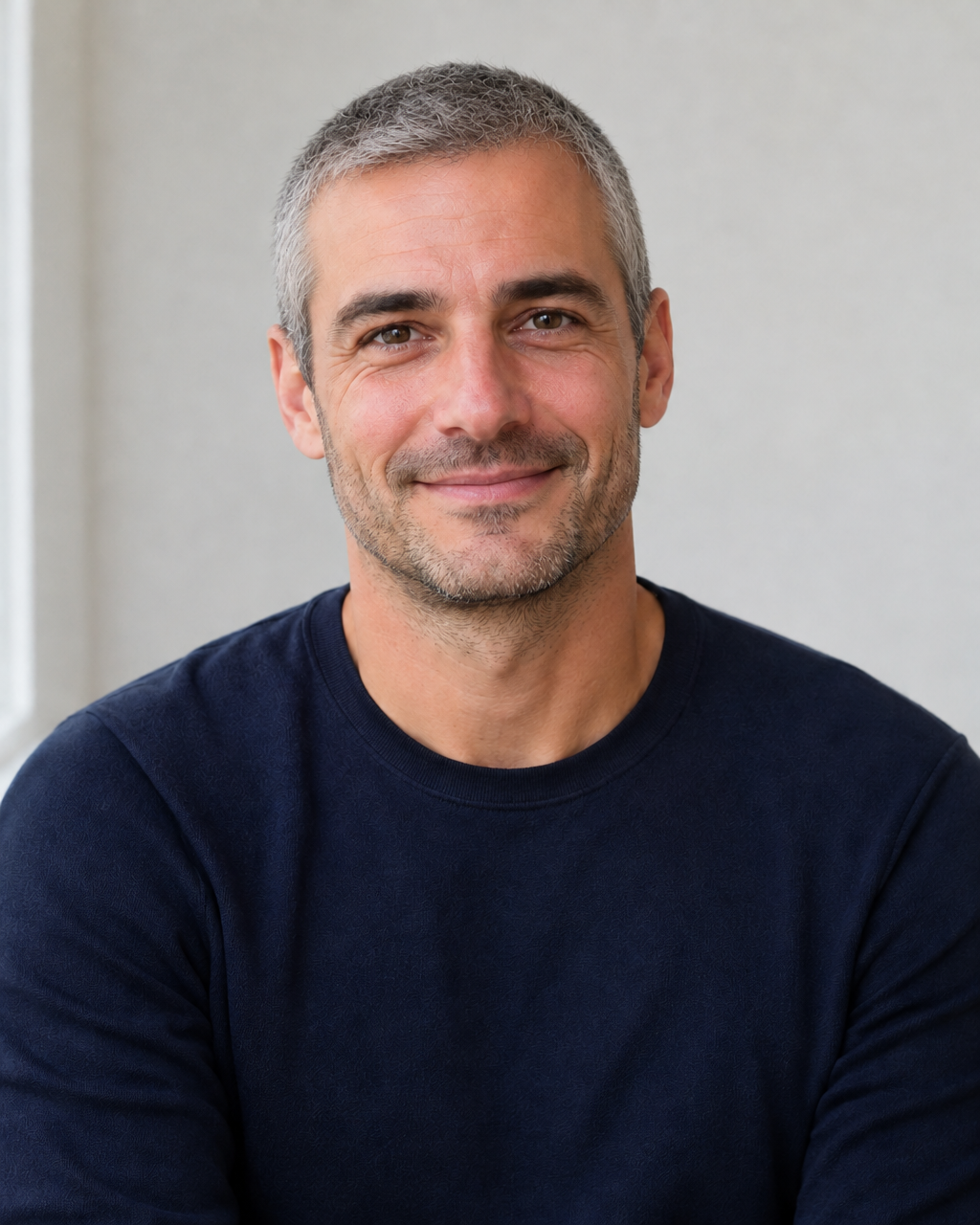
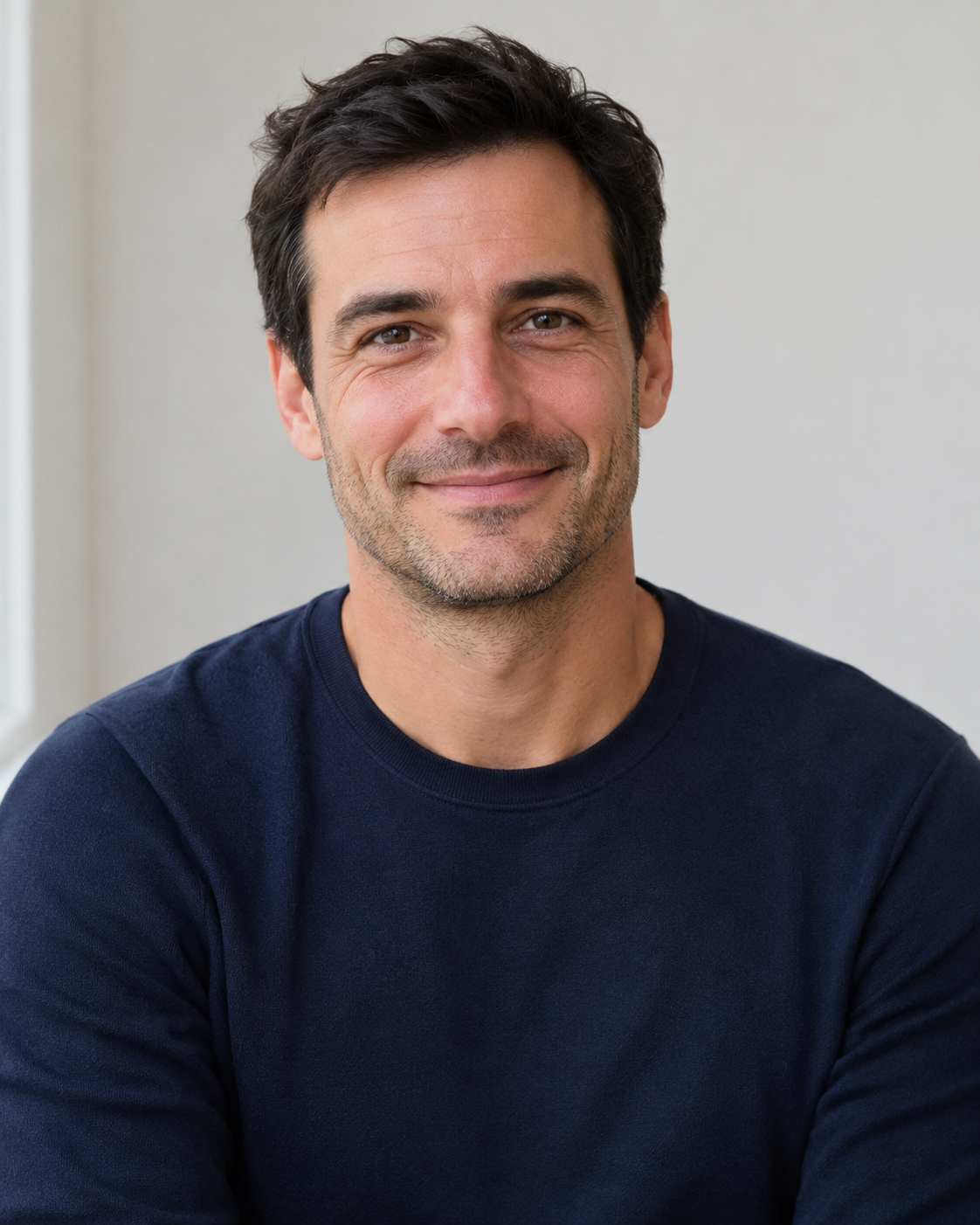
For the man: "Give him a very short buzz cut and dye the hair silver grey. Keep the face, expression, pose, clothes and background exactly the same."
What we saw
The woman came back with bright blonde hair and short straight bangs, and the man with a very short buzz cut in silver grey. At first glance both were still the same person, with the same expression and the same pose. We judged this by eye, on two portraits, because no face recognition tool was used.
But the pictures were redrawn. The table shows, on a scale from 0 to 255, how much each part of the picture differed from the original: the background at the sides changed very little, and the face and the clothes changed more than that. The face of the woman was drawn again, not copied, and so was the man's. The results are about a thousand pixels wide, whatever the size of the original.
The numbers are not the same for the two portraits: the woman's face differed more from the original than the man's did. So no single figure says how close a result will be. It changes from run to run and from picture to picture.
| Portrait | Face | Background at the sides | Clothes |
|---|---|---|---|
| Woman, blonde with bangs | 15 | 3 | 14 |
| Man, silver buzz cut | 7 | 3 | 5 |
Bangs, a cut and a colour are different asks
A colour changes what the hair looks like but not its shape, and a cut or bangs change the shape and with it the way the hair frames the face. In our runs both kinds of change worked, and the face stayed recognisable. That is two runs, so it is not a promise for your photo.
The man already had short hair, so the buzz cut was a small change in shape. The woman went from shoulder length hair to the same length with bangs. A bigger change, such as short hair to long, is a bigger redraw, and we did not try it.
We did not try other lighting, other poses, photos with several people or hair that is partly covered, so this page says nothing about them. If your photo is one of those, try it and judge the result yourself.
What to check before you use it
Put the result next to the original and look at the face first: the eyes, the mouth and the shape of the face. Then look at the clothes and the edges of the hair. If something is off, run it again with a more exact description.
Keep the original and work on a copy. Do not use the result where the picture has to match a real person, such as an ID photo, a document or evidence.
If you want to try several colours, run the same description with a different colour each time and put the results side by side. Each run is a new picture and the earlier ones stay as they were, so you can keep the best of them.