
Using an AI interior design generator for a set of rooms
The showcase has four replays in its architecture category that are close to what people use an AI interior design generator for: a set of four pictures that has to read as one place. Two of them are interior sets, a Japandi home and a Mediterranean-modern home. The other two are architecture series, a Japanese minimalist house and a collection of brutalist buildings. This article goes through what each brief asked for, which model was used, how long the first picture took and what the agent said it did, so you can borrow the structure of the briefs when you use an AI interior design generator yourself.
One caution before the details. The architecture replays show exteriors, a chapel interior and a staircase as well as rooms, so they are evidence for how a series is briefed, not for furnishing a particular room.
How the Japandi and Mediterranean briefs were written
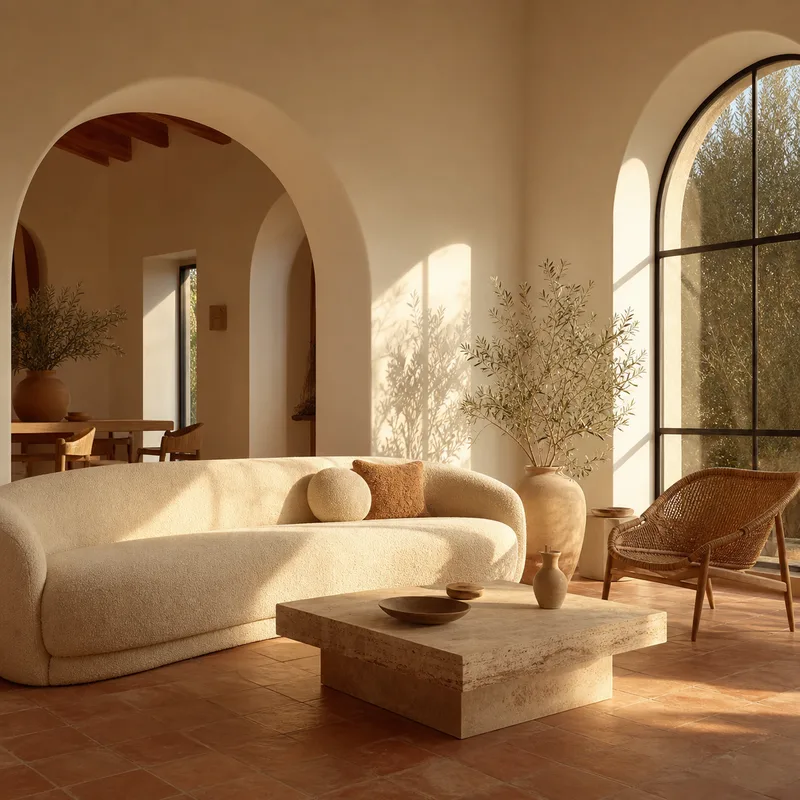
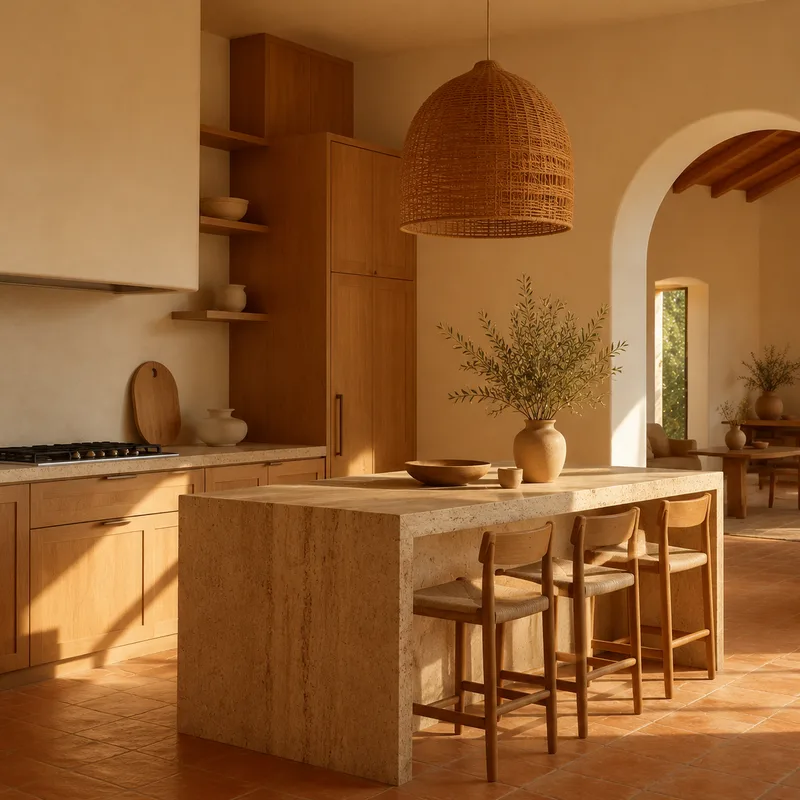
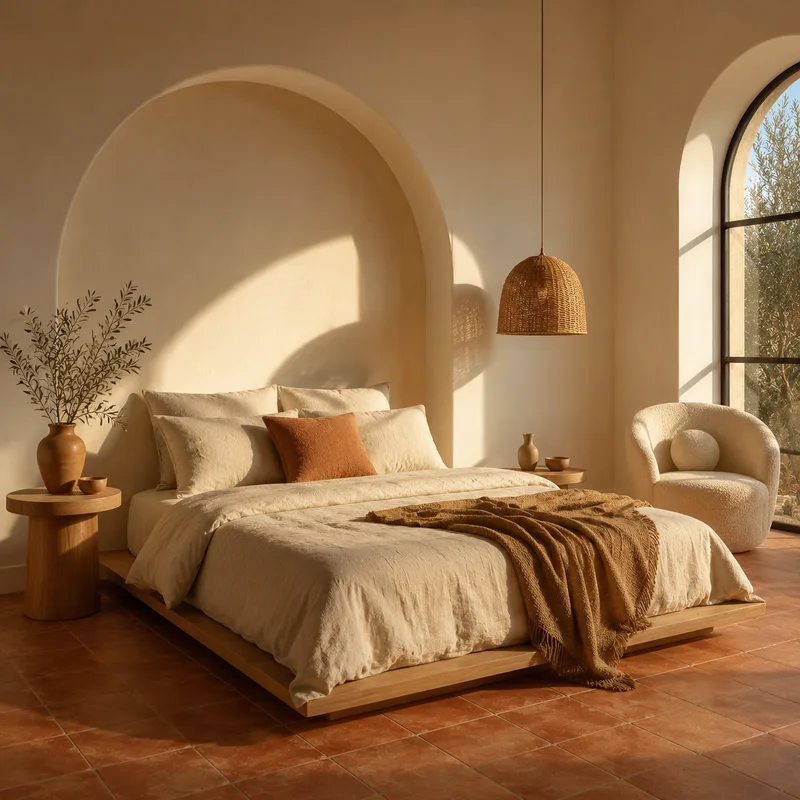
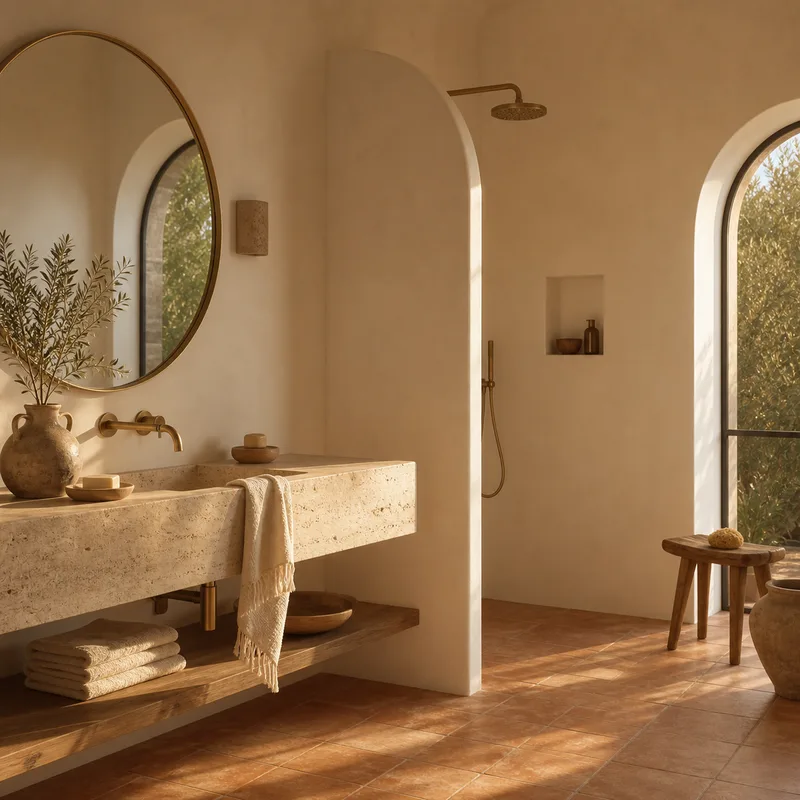
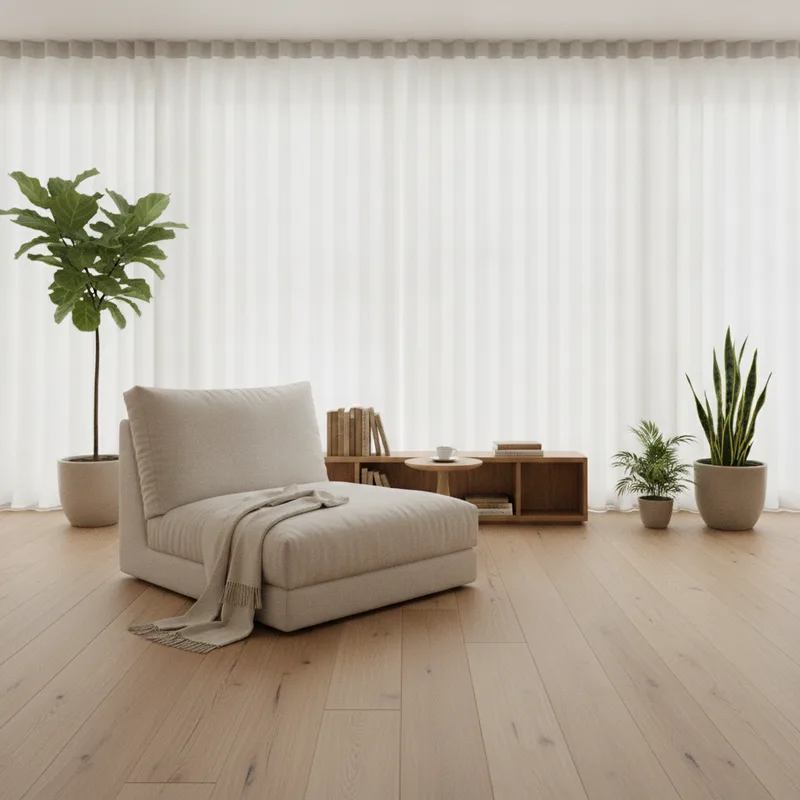
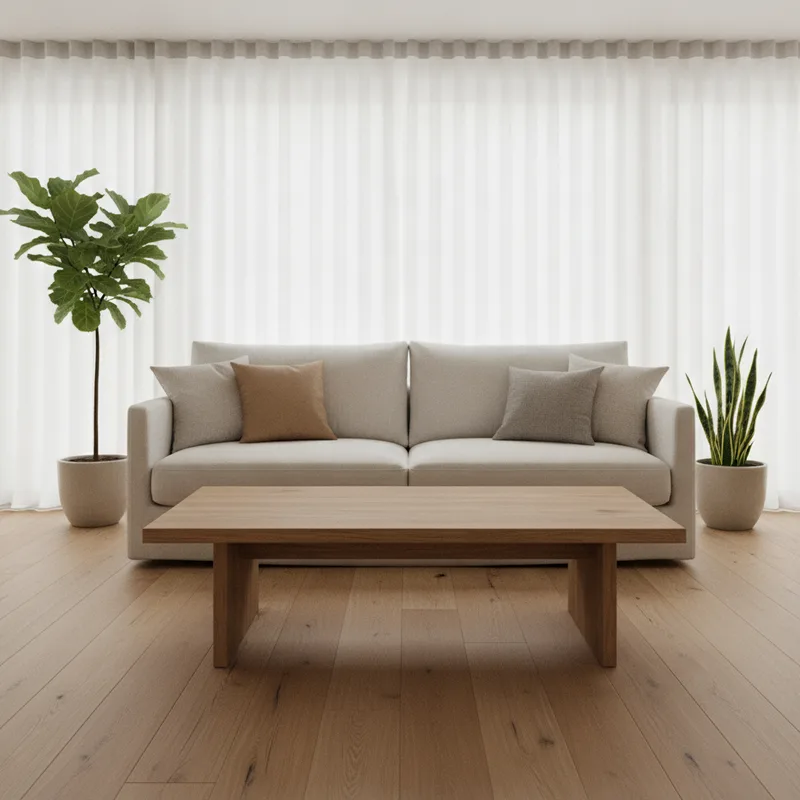
The “Nordic Calm” and “Casa Sol” prompts are nearly the same document with a different style. Each asked for a four-image interior set and named a design system to keep across all rooms: light oak, off-white and warm-grey tones, linen, plants and diffused daylight for Nordic Calm; terracotta and travertine, curved plaster archways, rattan, cream bouclé, golden afternoon light and olive branches for Casa Sol. Both asked for square 1:1 for every image, said no text anywhere, and gave one line per room. Nordic Calm covered a living room, a kitchen and dining area, a bedroom and a reading nook. Casa Sol covered a living room, a kitchen, a bedroom and a bathroom.
Both briefs also gave an instruction about order: generate image one first, then use it as the reference image for images two, three and four, so the palette, lighting and, in Casa Sol, the plaster arches stay consistent. The agents followed that in their own words. In Nordic Calm it made the living room first and then generated the other three rooms in one batch, each chained to the first. In Casa Sol it generated the living room, then the kitchen, bedroom and bathroom one after another, saying each was chained to the first image. Those are the agent's descriptions of what it did.
The architecture series worked the other way round
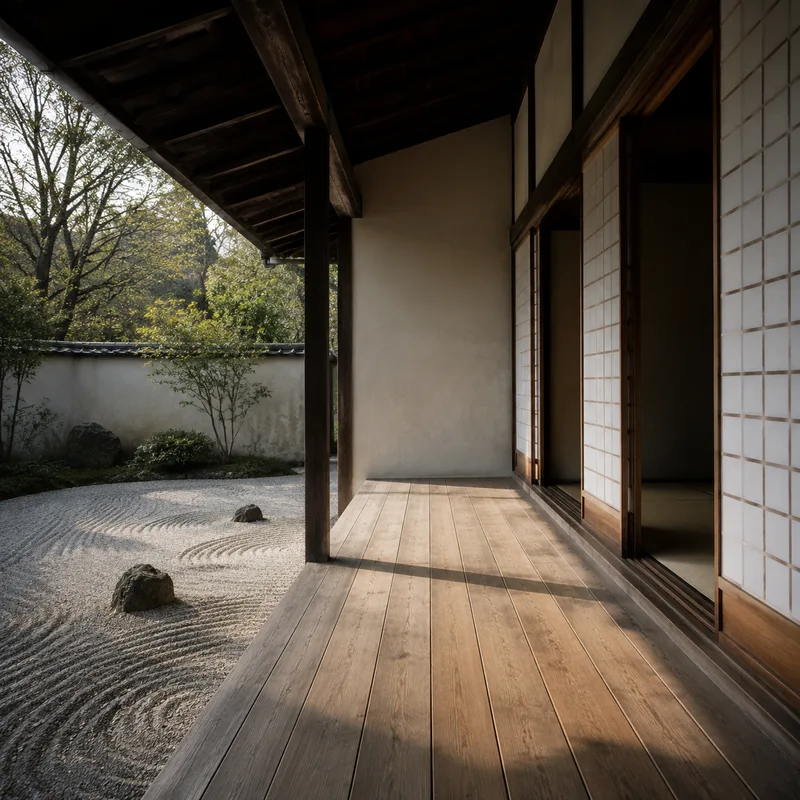
“Ma House” asked for four views of one Japanese minimalist house, with the engawa veranda, a tatami room, a timber corridor and an inner courtyard. It named GPT Image 2 for all four, told the agent not to substitute another model, asked for no text and for square frames, and said to generate each image independently. The consistency came from a shared vocabulary of warm timber, pale plaster, shoji screens, raking daylight and wabi-sabi restraint, not from a reference image.
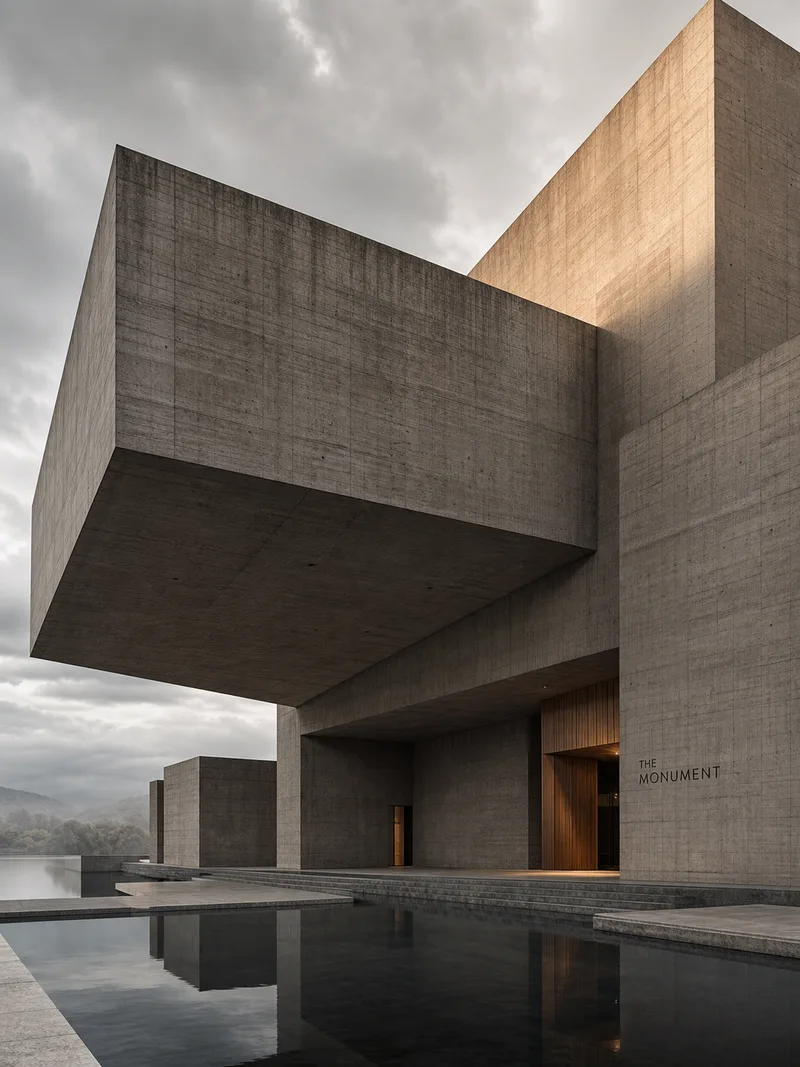
“Concrete Poetry” asked for four different brutalist buildings, not four views of one, so the shared part was the render style: board-formed concrete, warm timber accents, soft overcast light and a muted earthy palette, all in 3:4 portrait. The agent's closing message described each frame and ended by offering a title card or a colour-temperature adjustment. It did not report a miss.
Figures from the four replays
Each session produced four pictures. The first picture arrived 65 to 239 seconds after the request, and the last arrived 92 to 579 seconds after it. “Casa Sol” is the slow end of both ranges. It generated its rooms one at a time, with a message from the agent after the first, while “Concrete Poetry”, “Ma House” and “Nordic Calm” each sent their four pictures as a single batch, and Concrete Poetry delivered all four within 92 seconds.
| Replay | Pictures | Model | First picture after (s) | Last picture after (s) |
|---|---|---|---|---|
| Concrete Poetry | 4 | GPT Image 2 | 83 | 92 |
| Ma House | 4 | GPT Image 2 | 84 | 235 |
| Nordic Calm | 4 | Nano Banana | 65 | 107 |
| Casa Sol | 4 | GPT Image 2 | 239 | 579 |
What a set of rooms costs
Three of the four examples were made with GPT Image 2. GPT Image 2 and GPT Image 2.5 are both listed at 6 credits a picture at default quality, so a four-picture set comes to 24 credits. “Nordic Calm” used Nano Banana, listed at 8 credits a picture, which makes its four pictures 32 credits. Nano Banana Pro is listed at 20 credits a picture.
What the briefs in these sessions did that you can reuse
Four habits recur. They named the shared materials and light up front, in plain nouns such as oak, linen, travertine, plaster and golden afternoon light. They fixed one aspect ratio for every frame and repeated it. Three of the four briefs (Ma House, Nordic Calm, Casa Sol) said no text should appear; the Concrete Poetry brief did not mention text. And for the home sets they decided which room comes first and told the agent to chain the rest to it. If you write a brief for your own home in an AI interior design generator, the same structure applies: one anchor room, one list of materials, one ratio and one line for each of the other rooms.
What to check before you use the result
In all four replays the agent's closing message described the set as unified and none reported a problem, but those messages are the agent's own summary. Compare the rooms yourself against the materials list in your brief: does the floor, the wood tone and the light in the bedroom match the living room? Check that each room has the furniture you listed, since every brief named specific pieces, such as a low platform bed or a travertine vanity with a round mirror. Confirm that the frames are the ratio you asked for and that no text crept in where you asked for none.
If a room is off, the page says you can start from a reference and ask for a new palette or layout, and the agents in Nordic Calm and Casa Sol both offered to extend the set with another room. Treat the first set as a direction to react to before you commit to anything real.