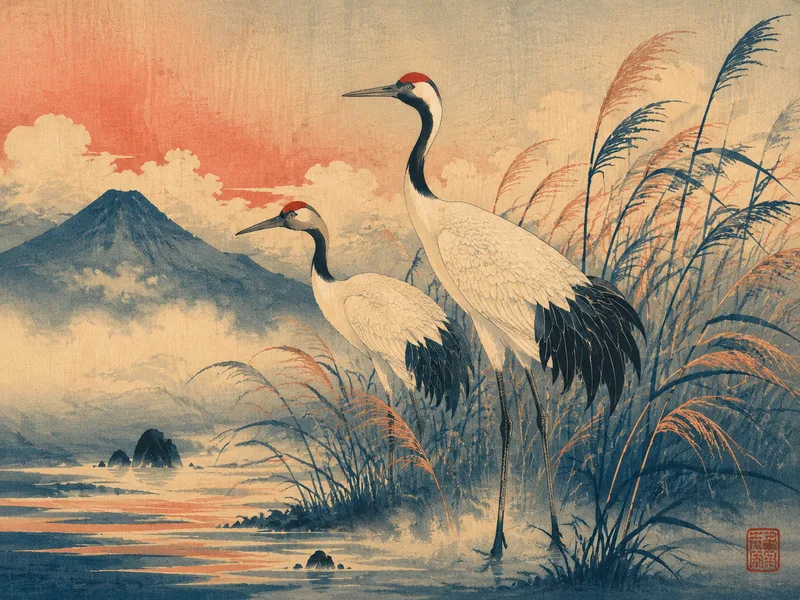
Using an AI illustration generator for a whole series, not one picture
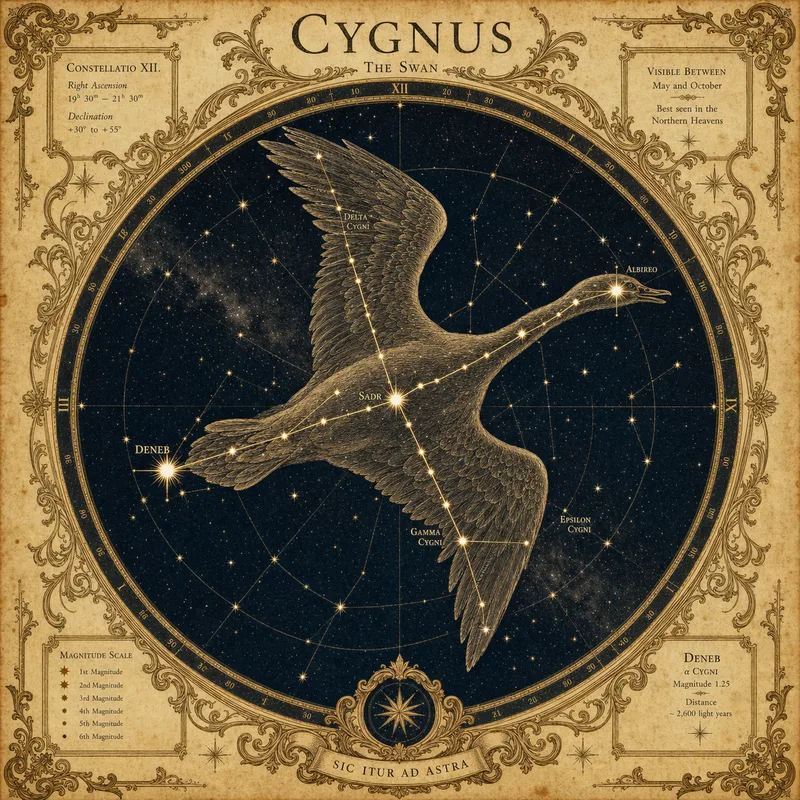
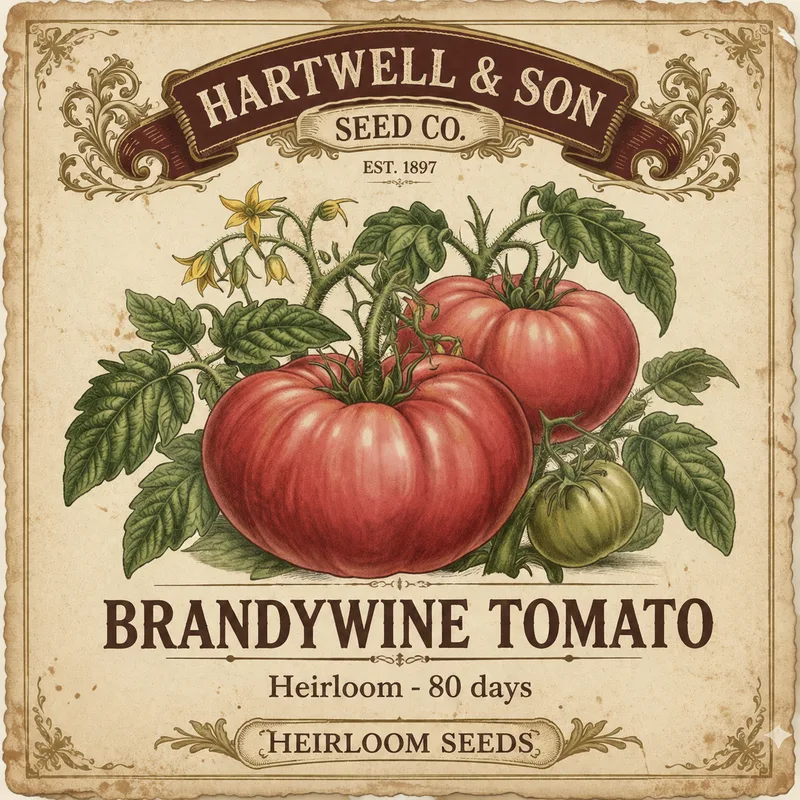
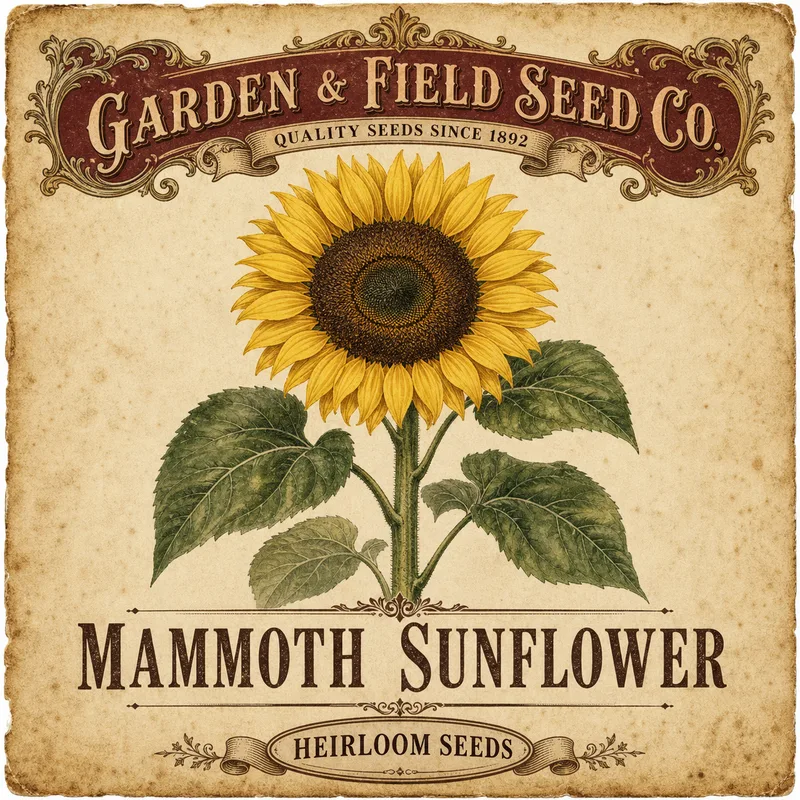
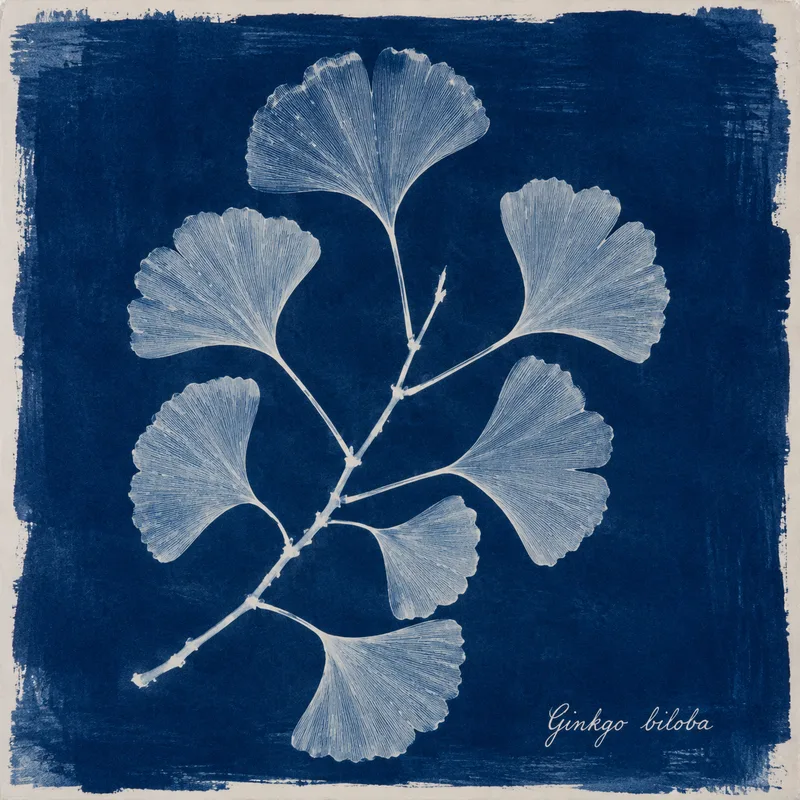
The showcase holds eleven replays of illustration sessions, and every one of them asked for a set of four rather than a single image. That is the pattern worth studying if you want an AI illustration generator to deliver something that looks like one publication, one print run or one product line. This article walks through those sessions: what each brief asked for, which model made the pictures, how long the first picture took, and what the agent said it had done.
All eleven used GPT Image 2 and produced four pictures each. The replays are real sessions from the showcase, with the user's prompt and the agent's own messages on the page, so you can open any of them and read the brief next to what came back.
What the briefs in these sessions had in common
Each brief opened with a title for the series and one shared style paragraph, then listed the four subjects underneath. In the “Four Seasons” replay the user asked for exactly four pieces, one per season, all 4:5 vertical, and spelled out flat modern shapes, textured gouache, paper grain and a palette that shifts per season. The same prompt said “ILLUSTRATION, NOT photography” and ruled out photorealism and text. Stating what the picture must not be was part of the brief, not an afterthought.
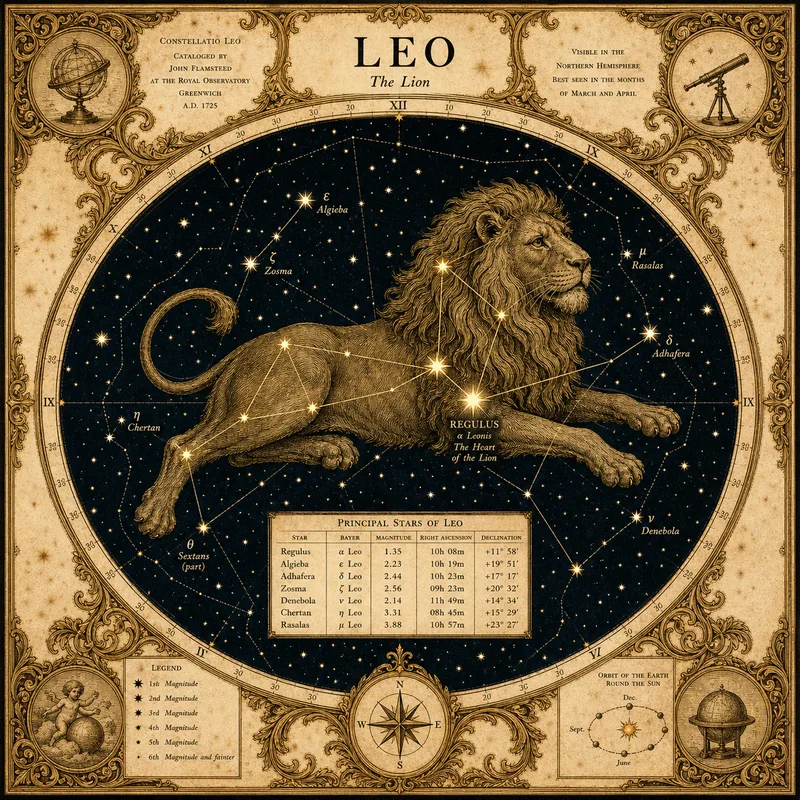
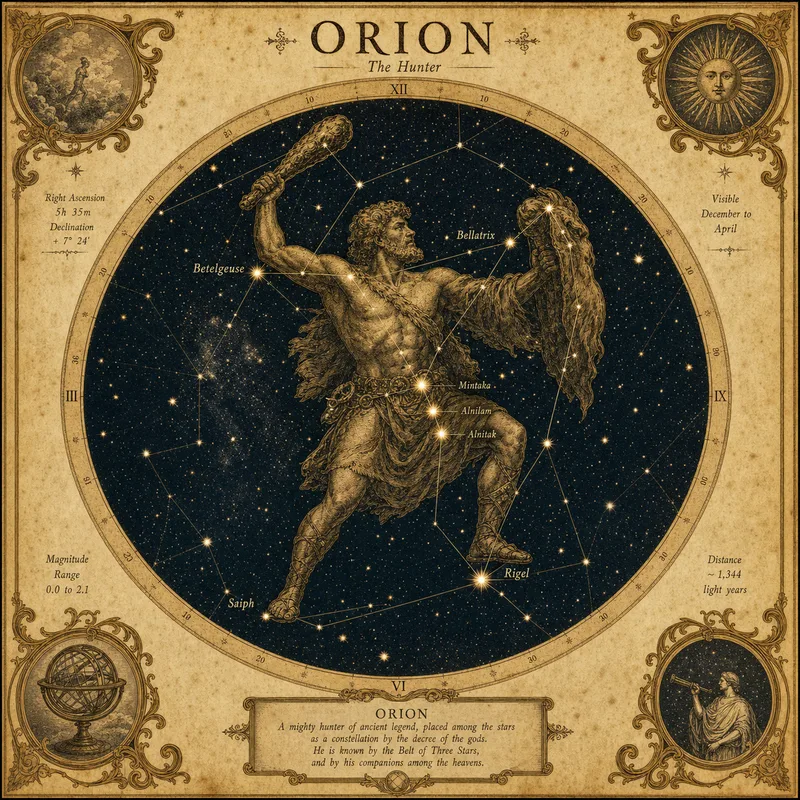
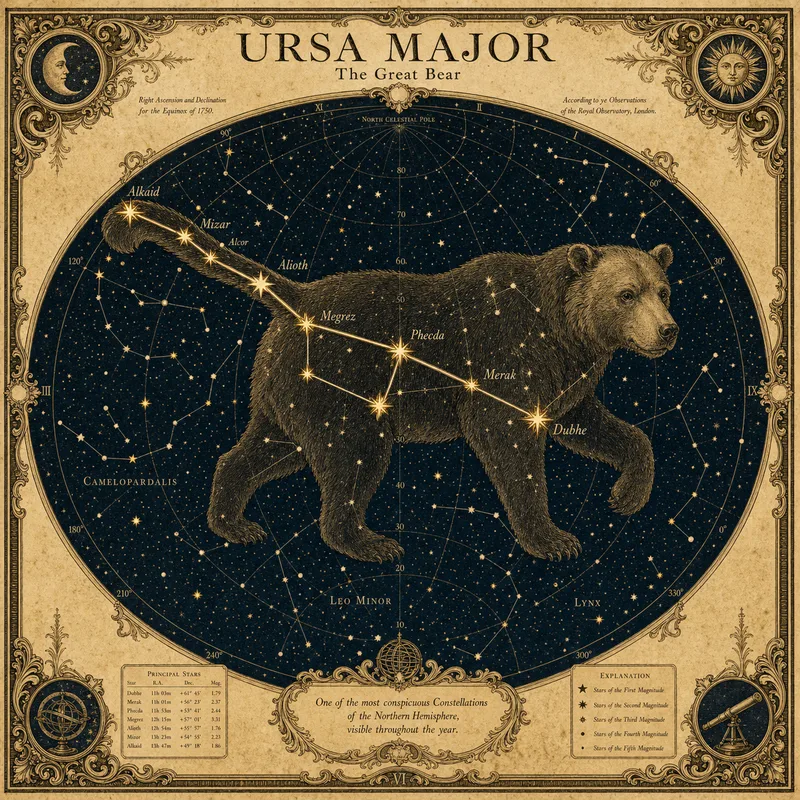
Most of the briefs also fixed the format once, for every frame. “Pocket Worlds” asked for 3:2 on all four tabletop-model scenes. “Silhouette Worlds” and “Astounding Tales” asked for 3:4 portrait, “Crate Diggers”, “Blueprints”, “Heirloom Seeds” and “Star Atlas” for 1:1 squares, and “Floating World” for 3:2 landscape. Several of them said to generate each picture independently and let the series share its look through the written description, with no source picture attached. Pocket Worlds is one example: polymer clay, balsa wood, flock grass and resin water, a softbox light, a 45-degree angle and an amber, rust and sage palette were all written into the shared paragraph.
Four briefs, “Floating World”, “Blueprints”, “Heirloom Seeds” and “Star Atlas”, also told the agent not to substitute another model. In each of those the agent confirmed in its first message that it would use GPT Image 2 for all four.
Where the briefs got strict about text
The sessions that put words on the picture are worth copying from. “The Naturalist's Library” asked for four field-guide plates with titles such as “WILD MUSHROOMS” and “SEA SHELLS”, species names such as “Amanita muscaria” and “Ginkgo biloba”, numbered legends and a scale bar, and added “no garbled characters”. “Astounding Tales” gave the masthead “ASTOUNDING TALES” and a separate callout for each of the four covers. “Republica Post” gave each stamp the country name, a numeral from 25 to 100 and a one-word caption. “Crate Diggers” supplied an exact album title and artist for each sleeve, and “Blueprints” gave each cyanotype one Latin label, from “Polystichum” to “Ginkgo biloba”.
The habits are consistent. The exact words sit in quotation marks, one label per picture is easier to hold than a paragraph, and the brief says the language and script (English, Latin script only in the later sessions) and asks for neat, readable text. In the Naturalist's Library replay the agent closed by saying all the text was neat and readable. In Astounding Tales it said the mastheads and callouts came through clean, and in Republica Post that the text was crisp and readable throughout. Those are the agent's statements, not an independent check, and none of the eleven agent messages reported a miss or a correction.
Real figures from the eleven replays
The table lists each replay with its picture count, model and the seconds from the request to the first and last picture. In ten of the eleven sessions the first picture arrived 65 to 100 seconds after the request. “Star Atlas” took 271 seconds, so the range across all eleven is 65 to 271. The last picture arrived between 219 and 448 seconds after the request, and the longest of those was also Star Atlas.
| Replay | Pictures | Model | First picture after (s) | Last picture after (s) |
|---|---|---|---|---|
| Four Seasons | 4 | GPT Image 2 | 91 | 220 |
| Pocket Worlds | 4 | GPT Image 2 | 65 | 219 |
| The Naturalist's Library | 4 | GPT Image 2 | 87 | 349 |
| Silhouette Worlds | 4 | GPT Image 2 | 78 | 331 |
| Astounding Tales | 4 | GPT Image 2 | 91 | 345 |
| Crate Diggers | 4 | GPT Image 2 | 66 | 228 |
| Republica Post | 4 | GPT Image 2 | 75 | 299 |
| Floating World | 4 | GPT Image 2 | 81 | 324 |
| Blueprints | 4 | GPT Image 2 | 88 | 267 |
| Heirloom Seeds | 4 | GPT Image 2 | 100 | 276 |
| Star Atlas | 4 | GPT Image 2 | 271 | 448 |
What a series costs
These eleven examples were made with GPT Image 2, which GPT Image 2.5 has since replaced as the default image model. Both are listed at 6 credits a picture at default quality, so a four-picture series like these comes to 24 credits. Nano Banana is listed at 8 credits a picture and Nano Banana Pro at 20, which makes the same four pictures 32 and 80 credits. If you reuse a brief from this page, the model you name in it sets the price, so name it on purpose.
Sizes and counts you can read from the transcripts
The transcripts also record the pixel size of each picture, and they show that a request for one ratio does not always return identical dimensions. In the Republica Post replay the brief asked for 4:5 portrait for every stamp, and two pictures came back at 1086 by 1448 and two at 1122 by 1402. In Floating World, which asked for 3:2 landscape, two prints came back at 1448 by 1086 and two at 1536 by 1024. The other nine sessions returned one size for all four pictures. The agent did not mention the differences in either session, which is one reason to look at the sizes before you lay a set out side by side.
What to check before you use the result
Start with the words. Most text-heavy briefs asked for neat, readable text, and in most of those sessions the agent described the text as readable, clean or crisp, but you should still read every label, numeral and title against the quoted text in your brief. Star Atlas is the example to be careful with: the agent called the titles clean but its closing offer was to refine crisper text or a brighter gold treatment if a chart needed it, which is an invitation to check rather than a confirmation.
Next, compare the pictures as a set. The briefs promised one palette, one medium and one format, so place the four side by side and look for the one that drifts. Check the dimensions too, as above. Finally, confirm the picture count and the order against your list, since each brief numbered its subjects. When something is off, most of the agent's closing messages in these sessions offered to refine a single picture, and the canvas keeps the source, so you can re-export at the size print or web needs. Treat that as the next step for any picture that fails one of these checks, whichever AI illustration generator workflow you use.