


What an AI video ad maker was asked to do in three real briefs
An AI video ad maker is easiest to judge by the briefs it was given. This page draws on three pieces of work made in FlowPix: a fragrance film, a product launch film and a talking ad. One is published as a finished film in the showcase and two as replays with the full conversation. The brands in all three are invented, and the requests say so.
The three briefs are different kinds of ad. One is a silent product film for Instagram and TikTok, one is a thirty-second launch film with music and no voice, and one is a spoken UGC-style review. What they share is that each request fixed the format and the length, and said who or what is on screen. The sections below take them one at a time and then list what to check before you use an ad.
ÉCORCE Ambre: a 15-second vertical film with no person and no voice
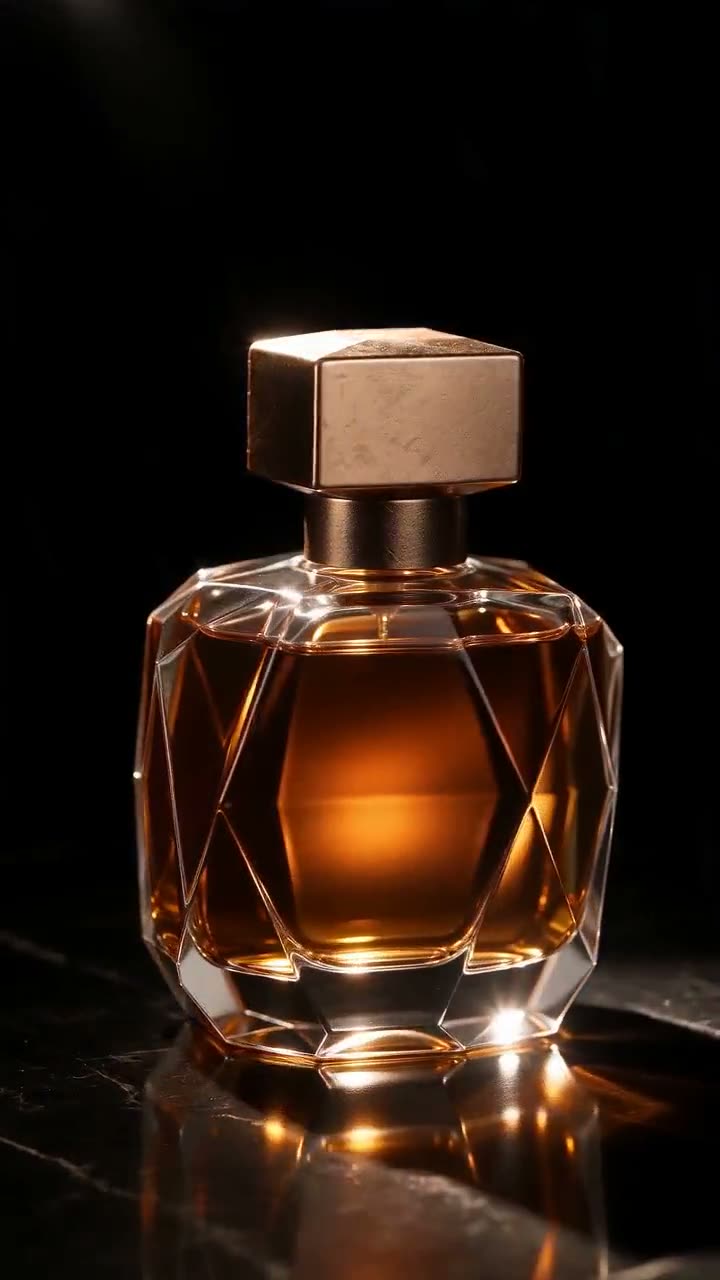
The “ÉCORCE Ambre — a fragrance film” showcase entry started from a request to launch a small, made-up fragrance brand. The product was an amber perfume in a faceted glass bottle with a bronze cap. The user asked for a 15-second vertical (9:16) film for Instagram and TikTok, with no person and no voice, the bottle as the only star in a slow, polished move, hard shaped light and deep shadows, ending on the brand name. The last instruction was to use only what the product card says.
This was made with the Marketing video feature. The entry describes the route: four starting frames built from the product card’s picture, four clips, and the closing name laid over the last one. The finished film is 17.4 seconds long, 9:16, at 720 by 1280. So the brief said 15 seconds and the film runs 17.4; nothing on the entry explains the difference. This entry is shown as a finished film only. The working conversation is not published, so there is no storyboard or message trail to show for it.
What the request did is worth copying. It named the platform, the aspect ratio and the length. It said there is no person and no voice. It named a single subject, and it limited the content to the product card. The film itself carries no price and no selling point.
Introducing Orrin One: the plan first, then the film
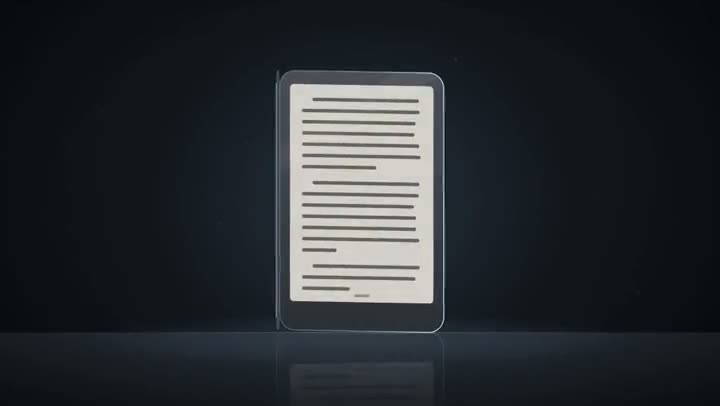
The “Introducing Orrin One” film is the longest brief here. The user asked for a motion video in 16:9, 30 seconds, with no voice-over and no photos, for a made-up pocket e-reader called Orrin One, in the dark-launch style. The request gave four facts and told the agent to copy them exactly and not to search for, add or estimate any other figure: a 6.8-inch screen, 14 days on one charge, 148 grams and $129. Those are the subject of the film, not a price you pay for anything on FlowPix.
The request also set rules the agent could check against. The device had to be at least 40 percent of the frame height, visible from the first frame, and centred vertically. Something new had to happen at least every 3 seconds. The three facts had to be set in the same very large type and each held for at least 2 seconds. The closing card, with the name and the price, also had to be held for 2 seconds. The user ended with “Show me the plan first.”
The agent did that. It wrote the storyboard, saved it, and said plainly that nothing was rendered yet. Its message gave a shot list in seven time blocks, the art direction, the type sizes and a list of things it would not do. The user replied that the plan was good and asked for the mp4 with the music and no voice-over. The agent then reported the film made and exported at 16:9 and 30 seconds. It offered further tweaks: more room for a fact, a bigger device or a different closing card.
The entry says how many tries this took. The published film is the third recording of the same brief. The first was too dark and too small, and the second had a dead stretch and a faint closing card. Neither is published.
A 15-second UGC talking ad for a serum
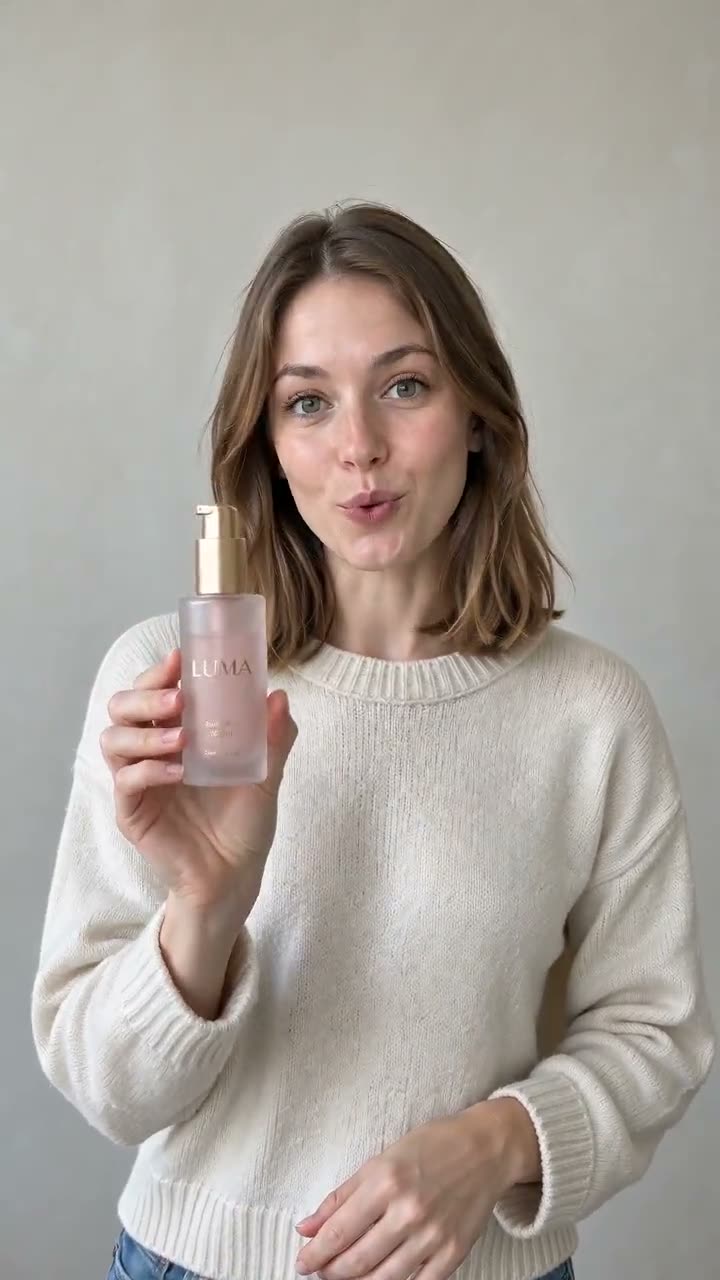
The replay “A 15-second UGC talking ad for a serum” covers a different kind of ad. The request asked for a 15-second vertical (9:16) talking-to-camera ad in English, as one single camera shot like a real UGC review. A presenter holds the serum bottle and says exact words, which the request wrote out in quotes. It asked for a natural, friendly tone, not salesy, with no claims about results. The product is the made-up LÛMA Radiance Serum.
The agent noted that the presenter and the serum were both already in place, so it shot one single take with the bottle in hand and the lines as written. The replay's spend line lists a 15-second talking video on Seedance 2.0 Mini with a ready-made presenter. The agent reported one 15-second vertical take, selfie-style and continuous, with the lines as written and no results claims. It then offered next steps: light on-screen captions for sound-off viewing, a reshape to 1:1 or 16:9, or a 6-second cut. These were offers only, and the replay shows no follow-up.
If you use an AI video ad maker for a spoken ad, this request shows the pattern: write the words out in quotes, say it is one shot, say who holds what, and state the tone and what the ad must not claim.
The three briefs side by side
The table lists the figures shown for each piece. Where none is given the cell says so. No credit figures were recorded for these three pieces, so none are quoted here.
| Work | Kind | Format | Length | Sound | Credits |
|---|---|---|---|---|---|
| ÉCORCE Ambre, fragrance film | Marketing video, showcase film | 9:16, 720 by 1280 | 15 seconds asked, 17.4 seconds made | No voice; music not recorded | not recorded |
| Introducing Orrin One | Motion video, dark-launch style, replay | 16:9 | 30 seconds | Music only, no voice-over | not recorded |
| UGC talking ad for a serum | Talking video, Seedance 2.0 Mini, replay | 9:16 | 15 seconds | Spoken lines, one presenter | not recorded |
What to check before you use an ad
Check the length first. The ÉCORCE brief asked for 15 seconds and the film is 17.4, so compare the result with the slot you need to fill and ask for a trim if it does not fit. Then check every word and number on screen against your source. In the Orrin One request the user supplied the four facts and told the agent to copy them exactly, and the closing card was meant to show only the name and the price. Do the same check for your own ad, including the spoken lines in a talking ad, which should match your script word for word.
Check the claims, too. The three briefs here involved invented brands, the serum request ruled out results claims and the ÉCORCE film carries no selling point; a real brand needs its own review of what the ad says. Check the format against where the ad will run, as the requests named 9:16 for social and 16:9 for the launch film. For a spoken ad, decide whether you need captions, since the agent itself suggested them for sound-off viewing.
This page gives no limits on length, file lifetime or download timing for ads, so check those in the product when you make your own. And expect to iterate: the published Orrin One film was the third recording, and the first two were set aside.