

An AI book cover generator in practice: two series briefs
The showcase holds two replays of an AI book cover generator being asked for a whole series in one message rather than one cover at a time. Both are full session transcripts, so you can read exactly what was typed and what the agent said back. This article walks through what those two briefs contained, what the timings and costs were, and what is worth checking before a cover goes anywhere near a store page.
One caveat up front. Both sessions were made with GPT Image 2. The briefs and the way the agent handled them show how a series request is structured, but the pictures themselves came from that model, and the page also lists GPT Image 2.5.
The Vellum Classics replay: one layout system, four colours
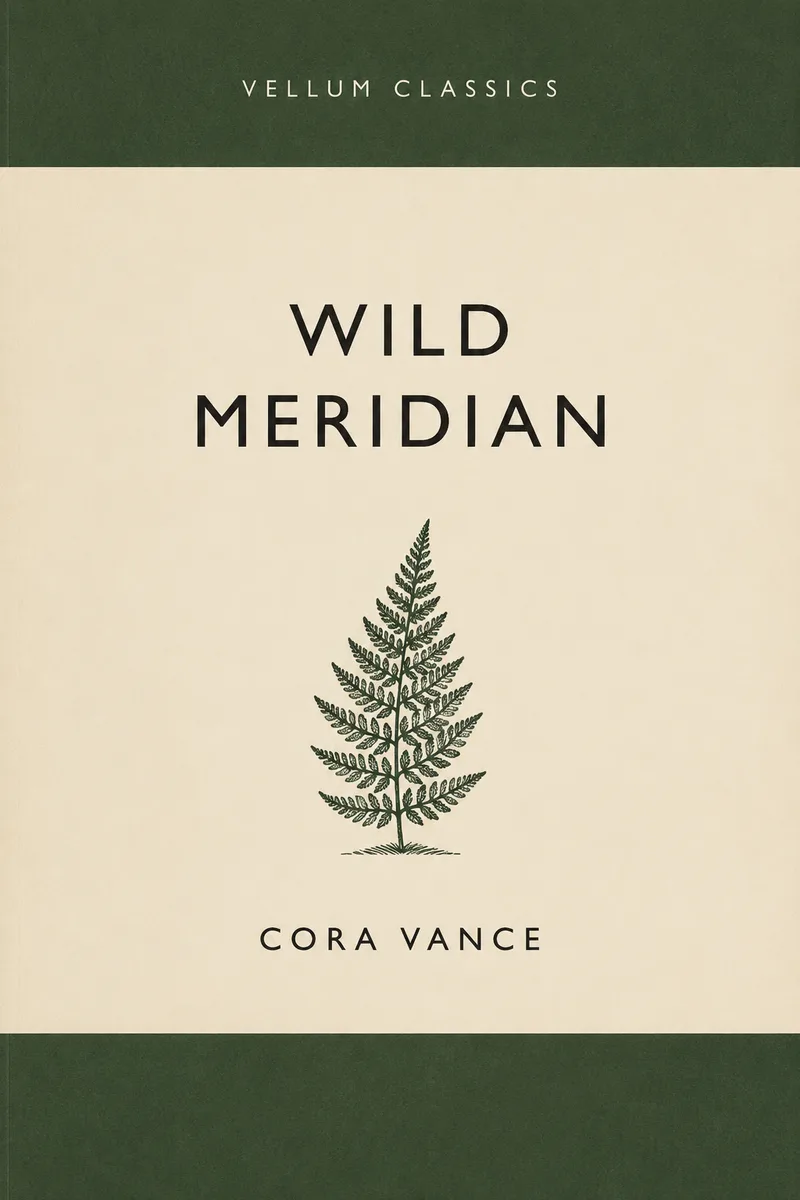
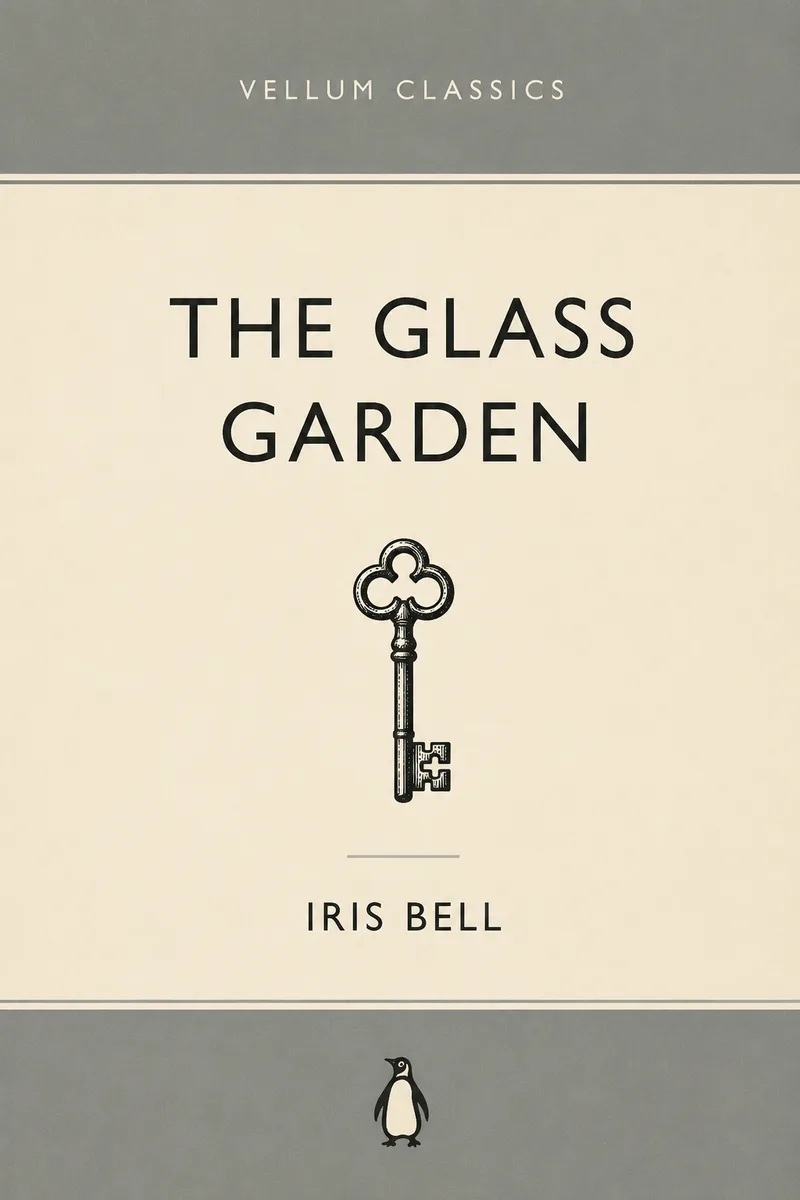
In the “Vellum Classics” replay, the user asked for four paperback covers that follow one strict system: a horizontal colour band across the top and bottom, a cream centre panel with a small centred woodcut-style emblem, the series label “VELLUM CLASSICS” small at the top, and title and author in clean Gill-Sans-like type. Each book got its own band colour and genre. The brief then listed every book individually: an orange band and a lighthouse for the fiction title, green and a fern for nature, grey and a key for the classic, deep red and a flame for poetry.
Three habits in that prompt are worth noting. The layout rules were written once, before any book was named, so they applied to all four. The variable parts, meaning band colour, emblem, title and author, were given per book in the same order every time. And the text was supplied in capitals inside quotation marks, for example “THE LIGHTHOUSE KEEPER” by “A. M. HALE”, with a plain request for readable text and no garbled lettering.
The brief also asked for a 2:3 portrait ratio and for each cover to be generated independently. The agent made four pictures in one batch, each returned at 1024 by 1536 pixels. Its closing message said the series held together through consistent band widths, emblem scale and type placement, and offered to sharpen text or adjust an emblem on any single cover. It did not report a miss in that session.
The Spineless Press replay: four genres, one finish
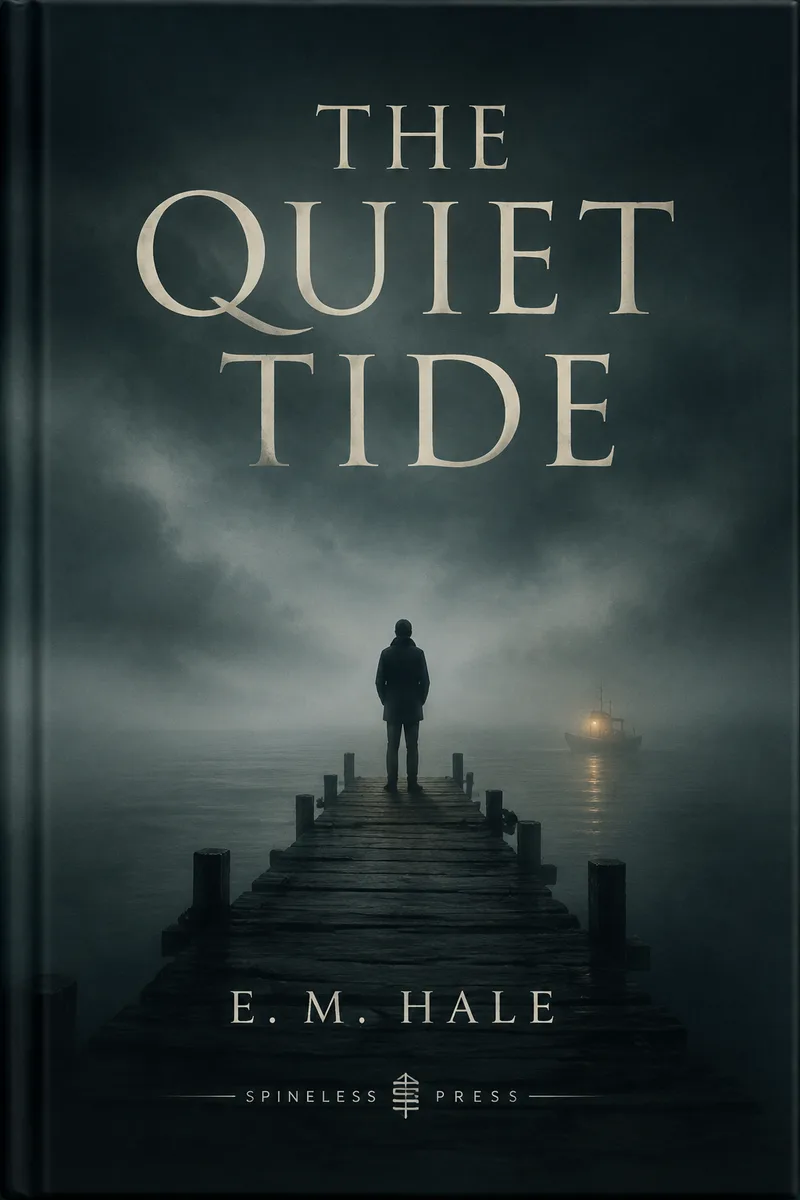
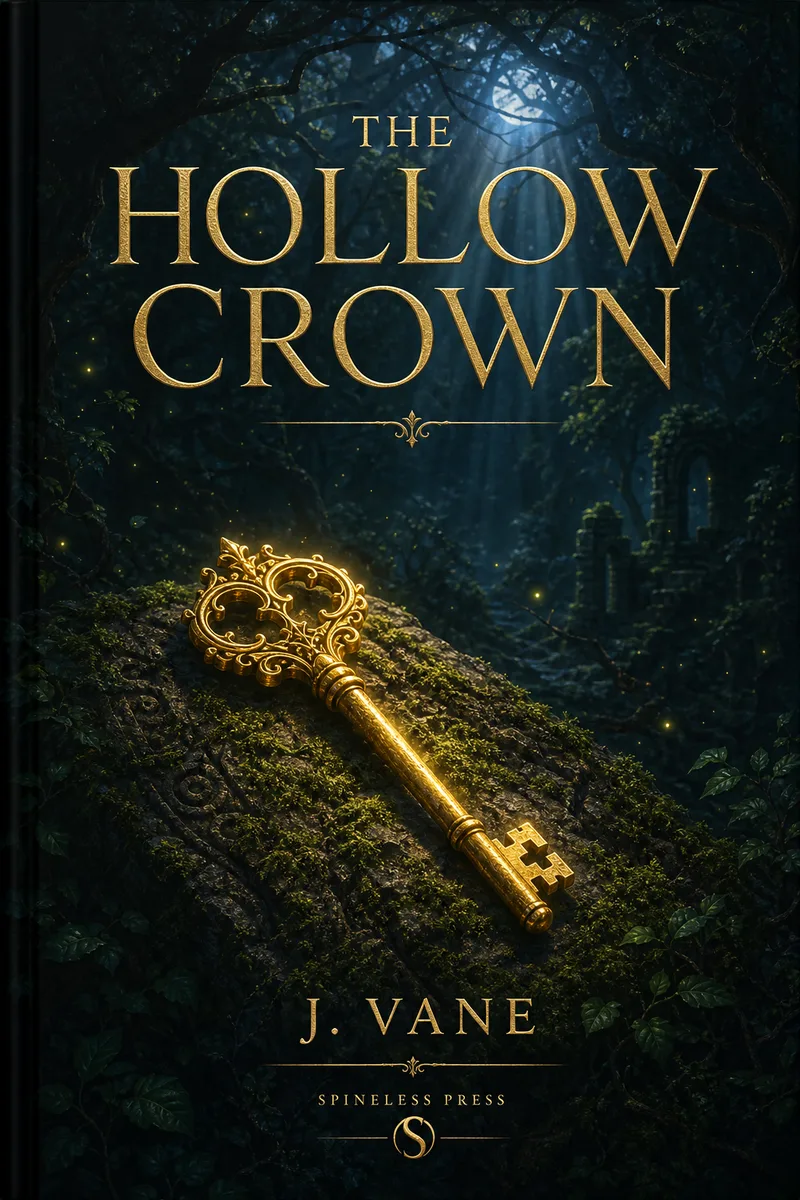
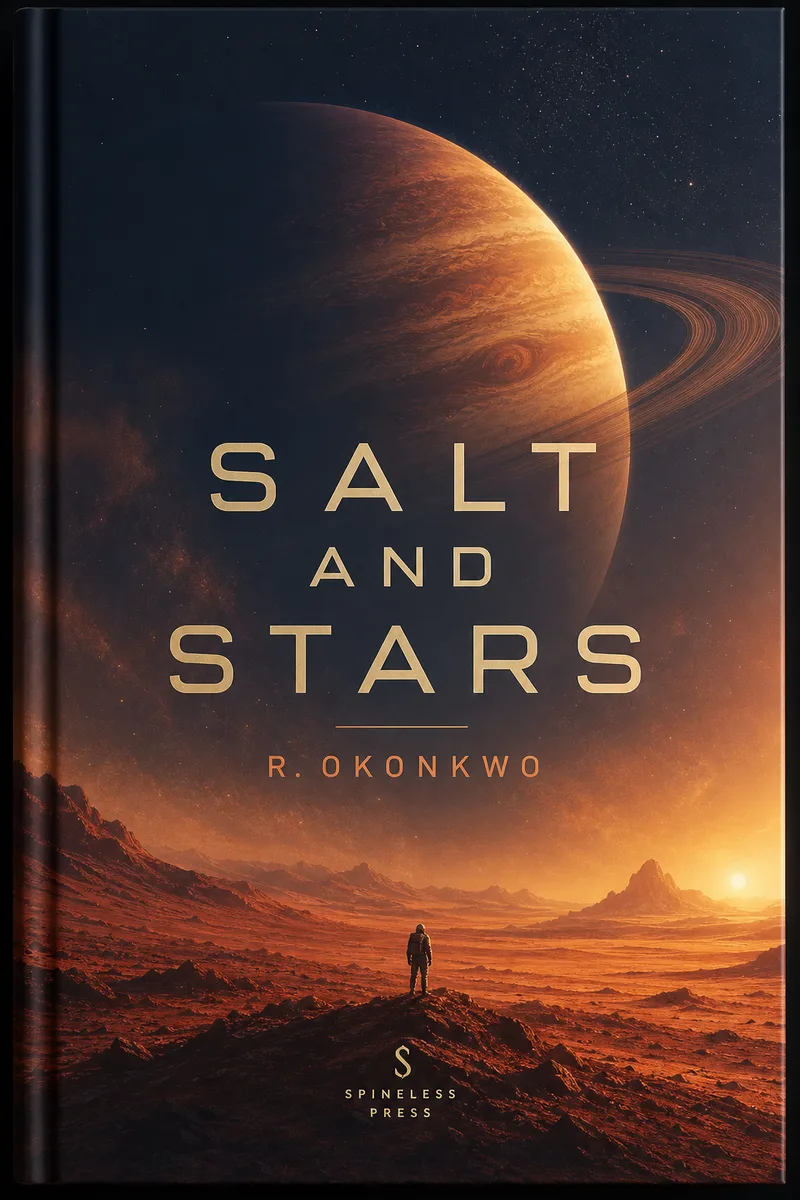
The “Spineless Press” replay asks for something harder to hold together: four fiction covers in four different genres, linked only by what the brief calls a cohesive premium publishing finish. The genres were a literary thriller with a lone figure on a foggy pier, a science-fiction cover with a ringed planet over a desert horizon, a contemporary romance with two glasses on a sunlit terrace, and a fantasy cover with a glowing key on a mossy stone.
As in the first session, every title and author name was spelled out in quotation marks. The brief also fixed the language and script of all on-image text to English in Latin script, named the image model for all four covers, and set a 2:3 portrait ratio. The agent again made four pictures at 1024 by 1536 pixels in one batch.
Its own summary described clean serif typography and a unified matte finish, with type placement and palette consistent while the mood changed by genre. It then offered to adjust title placement or the Spineless Press branding. Since the pictures are not described here beyond what the prompt and the agent said, treat that summary as the agent’s report, not as a verified result.
Timing and figures from the two sessions
Times are measured from the request to the first and last picture arriving. In these sessions the first picture came back 58 to 74 seconds after the request, and the last one 195 to 205 seconds after. Each replay produced four pictures in one request.
Both sessions used one batch of four rather than four separate requests, so the wait for the full set was a little over three minutes in each case.
| Replay | Pictures | Model | First picture after (s) | Last picture after (s) |
|---|---|---|---|---|
| Vellum Classics | 4 | GPT Image 2 | 58 | 195 |
| Spineless Press | 4 | GPT Image 2 | 74 | 205 |
What a four-cover set costs
Cost is counted in credits per picture. GPT Image 2.5 costs 6 credits a picture at its default quality, and GPT Image 2 is listed at the same 6 credits. Nano Banana is listed at 8 credits and Nano Banana Pro at 20.
A four-cover series at 6 credits a picture is therefore 24 credits if every cover comes out as requested on the first try. Any covers you regenerate or refine are additional pictures and are counted the same way.
What the briefs in these sessions did that you can reuse
These are observations about the two prompts, not rules. Both stated the exact title and author for every cover in quotation marks instead of leaving the wording to the model. Both gave one aspect ratio, 2:3 portrait, for the whole set. Both said what had to stay the same across the series: in Vellum Classics that was the band layout, panel, emblem scale and typeface, and in Spineless Press it was the premium finish. Both also named what was allowed to change, such as band colour or genre imagery.
The Vellum Classics brief went further and described the system as a layout, with positions for the band, panel, series label and type, rather than as a mood. The Spineless Press brief described the system only as a finish, and its agent summary accordingly talks about type placement and palette staying consistent rather than a fixed template.
What to check before you use a cover
Neither agent reported checking the lettering itself; both asked for readable text in the brief. The Vellum Classics agent offered to refine individual covers, and the Spineless Press agent offered to adjust title placement or branding. That leaves the check to you. Read every title and author name against the wording you supplied, letter by letter, because a cover is wrong the moment one character is.
Compare the set side by side for the parts you said must stay constant, such as band widths, emblem size and type position. Confirm the ratio matches where the cover will be used, since these sessions returned 1024 by 1536 pixel pictures and a store or printer may need a different size. According to the page, the canvas keeps the source, so you can re-export at standard cover ratios for ebook or print, and you can refine a single cover there rather than regenerating the series.